
PROGRAMME OVERVIEW
Developing Teaching Expertise in Bilingual and Multilingual Contexts
CLIL – Content and Language Integrated Learning – is the practice of teaching subjects such as science, mathematics or history in English to learners whose first language is not English.
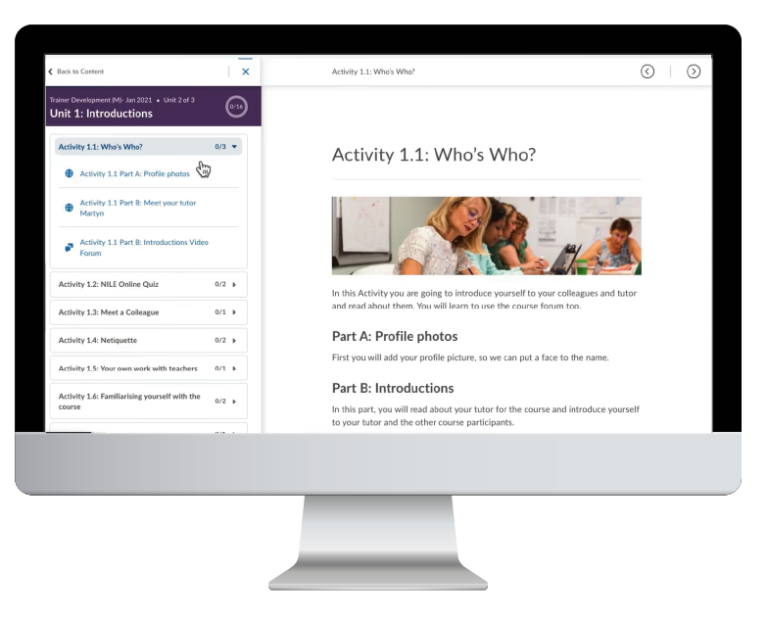
The programme helps teachers understand the particular needs of CLIL learners, explore practical approaches and activities for the CLIL classroom, and develop the know-how to design CLIL activities that are appropriate to their subject areas and teaching contexts.
Throughout the programme, participants share, discuss and collaborate with other teachers, while relating the course content to their own professional contexts.
WHO SHOULD PARTICIPATE?
The programme is designed for teachers and education professionals working in bilingual or multilingual education contexts, particularly those involved in teaching subject content through English.
Teachers who are currently teaching, or preparing to teach, subject content through English in bilingual or multilingual education contexts.
Primary and secondary teachers seeking to apply CLIL approaches in their teaching practice.
Teacher trainers and education professionals supporting teacher development in bilingual education programmes.
PROGRAMME OBJECTIVES
Developing Practical Expertise in CLIL Teaching
The programme develops practical competence in CLIL by helping teachers integrate subject content, language learning and classroom activity in ways that support effective teaching and learning.
By the end of the programme, teachers will be able to progressively develop their capacity to:
- Understand the key principles, models and concepts underpinning CLIL;
- Analyse the language of curricular subjects at word, sentence and text levels;
- Support learners’ understanding of subject content and create opportunities for meaningful language use;
- Design and develop activities, materials and resources appropriate to CLIL contexts;
- Use effective feedback, formative assessment and appropriate approaches to assessing CLIL learners;
- Identify priorities for continuing professional development and the application of CLIL within their own institutional contexts.
COURSE CONTENT
7 Units for Developing CLIL Teaching Practice
The programme comprises seven units, with each unit delivered over one week. The course progresses from core CLIL principles to subject language, active learning, supporting learners, materials development, and feedback and assessment.
01. Understanding CLIL Principles and Implementation
Explore the challenges facing CLIL teachers, examine models of CLIL and the learning theories that inform them, and develop an understanding of the key concepts and terminology underpinning CLIL practice.
02. Understanding Subject Language
Analyse the differences between everyday and academic language, identify the subject-specific language learners need, and consider the linguistic demands of texts used in the CLIL classroom.
03. Promoting Interaction and Active Learning
Explore why active learning is integral to CLIL and develop practical CLIL activities that keep learners engaged with both subject content and the language required for learning.
04. Supporting Learners in CLIL
Plan CLIL lessons in clear stages, provide appropriate input and support active learner participation, with particular attention to listening, reading and spoken output.
05. Designing and Adapting CLIL Materials
Apply CLIL materials design principles, adapt resources for learners and use scaffolding to support understanding and spoken or written production, including the appropriate use of digital resources.
06. Feedback and Assessment in CLIL
Explore effective feedback, formative assessment and questioning strategies, and consider the use of assessment rubrics and appropriate approaches to assessing spoken and written work in CLIL.
07. Reviewing and Applying CLIL in Teaching Practice
Consolidate key learning from the programme, reflect on its application to your own CLIL context and identify practical priorities for continuing professional development.
PROFESSIONAL DEVELOPMENT OUTCOMES
What Will Teachers Develop Through the Programme?
The programme strengthens teachers’ understanding of CLIL and develops their capacity to apply appropriate approaches to subject and language learning within their own teaching contexts.
Explore Other Programmes
Explore additional professional development programmes for teachers and university lecturers, designed to respond to different teaching contexts and practical professional development needs.
EMI in Higher Education
Develops effective English-medium teaching practice in higher education.
Teaching English for Academic Purposes (TEAP)
Develops academic English teaching practice in higher education.